Authority Guidelines Modifying E-Wallet Payout Periods and Game Libraries in Licensed Mobile Gambling Apps
Written by Parker Butler · Oct 23, 2026
Authority Guidelines Modifying E-Wallet Payout Periods and Game Libraries in Licensed Mobile Gambling Apps
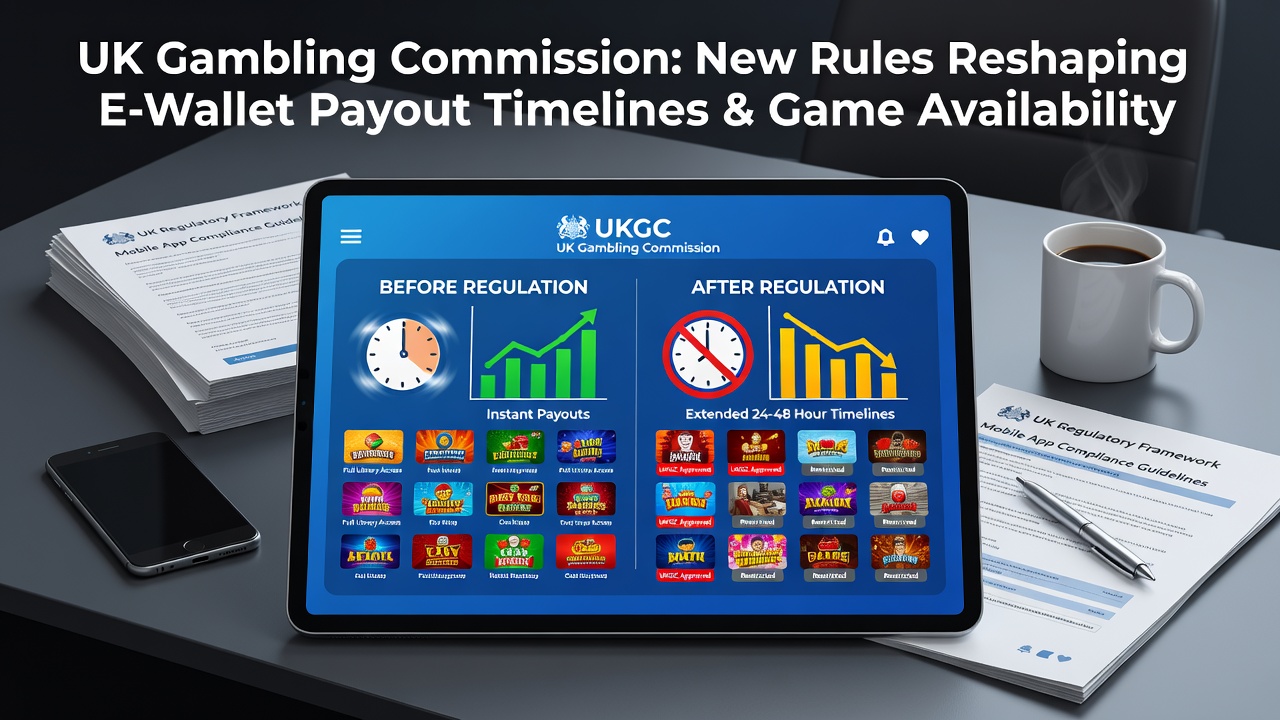
Regulatory updates across British authorities have introduced structured timelines for e-wallet transactions in licensed mobile applications, and operators now align withdrawal processing with specific verification windows that range from 24 hours to several business days depending on account status and transaction volume. These adjustments emerged from broader compliance frameworks that require platforms to complete identity checks before releasing funds, and data compiled by the Canadian Centre for Gaming Research shows similar patterns in other jurisdictions where verification steps reduced average payout speeds by up to 40 percent in the first quarter of implementation.
Game availability has shifted as well because platforms must now categorize titles according to risk profiles that regulators assign based on volatility and player engagement metrics. High-volatility slots and certain table games face placement restrictions in some apps, while lower-risk options receive prominent positioning to meet responsible gaming targets. Operators report that these categorizations prompted them to rotate libraries more frequently, and users notice fresh titles appearing every few weeks as companies refresh catalogs to stay within approved parameters.
Payment Flow Adjustments Across Mobile Platforms
E-wallet providers such as digital banking services integrated into mobile apps now operate under tighter reporting requirements that mandate daily transaction logs shared with oversight bodies, and this creates a sequential process where initial requests trigger automated reviews before funds move. Those who have tracked these systems note that smaller withdrawals under a set threshold often clear faster, whereas larger amounts enter extended review cycles that can extend timelines into the following week. Figures released in October 2026 by industry monitoring groups indicate that average completion times stabilized around 48 hours for verified accounts, although unverified ones still encounter multi-day holds.
Operators have responded by embedding clearer status trackers within apps that display real-time progress through each verification stage, and this transparency helps users anticipate delays without needing to contact support repeatedly. The changes also affect deposit reversals because rules now require matching withdrawal methods to original funding sources in many cases, which limits flexibility when players switch between services mid-session.
Game Selection and Availability Constraints
Content libraries in regulated mobile apps have undergone systematic reviews that prioritize titles meeting updated technical standards for fair play reporting and session limit integration. Developers submit games for pre-approval, and those lacking certain control features face temporary removal until updates occur. Observers note that this process has reduced the total number of available games in some platforms by 15 to 20 percent over the past year, although new releases continue to enter the market once they pass assessments.
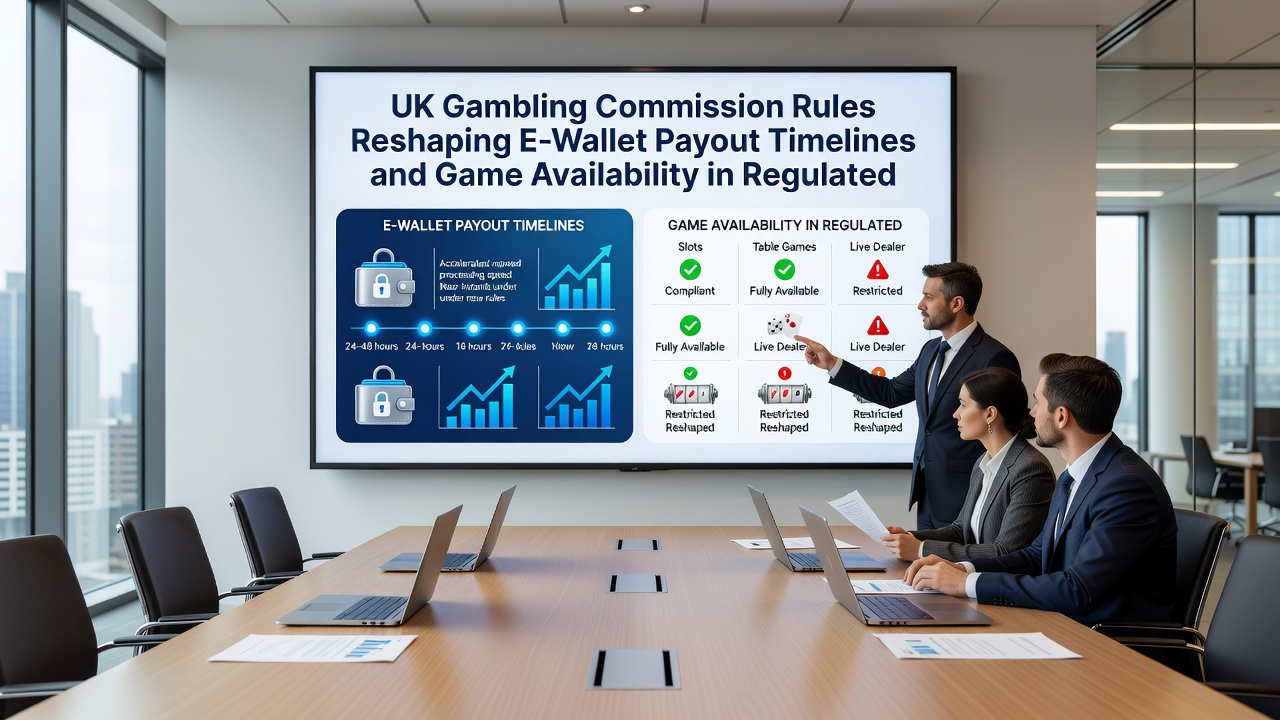
Regional variations appear because some licensing areas impose stricter volatility caps than others, and platforms serving multiple markets adjust catalogs accordingly to maintain compliance everywhere. Players who switch between apps sometimes encounter different selections of the same game provider because one version carries an approved label while another does not. Research from the University of Nevada Gaming Research Center highlights how these labeling systems influence player choice patterns, with users gravitating toward prominently featured low-risk options during initial sessions.
Operator Adaptations and Compliance Measures
Companies managing regulated apps have invested in automated compliance tools that scan both payment flows and game metadata against current guidelines, and these systems flag potential issues before they reach users. Staff training programs now emphasize documentation procedures for every transaction and title addition, which adds layers to daily operations but reduces the likelihood of penalties. Partnerships with third-party auditors have increased as well, since external reviews provide independent verification that internal processes meet required benchmarks.
What's interesting is how these adaptations have prompted some operators to consolidate their app offerings into fewer platforms with unified rule sets, rather than maintaining multiple regional versions. This consolidation reduces maintenance overhead while ensuring consistent payout handling and game presentation across user bases.
Conclusion
Overall, authority guidelines continue to shape both the speed of e-wallet transactions and the range of games accessible through regulated mobile apps, with verification protocols and content approvals forming the core mechanisms driving these shifts. Data from multiple sources demonstrates measurable changes in processing times and library sizes, while operators adapt through technology and process refinements to maintain service within the established parameters. These developments reflect ongoing coordination between regulatory expectations and practical platform management in the mobile gambling sector.