Encryption Standards Shaping Roulette Selections in Britain's Regulated Mobile Gambling Environment
Written by Jonas Schmid · Aug 28, 2026
Encryption Standards Shaping Roulette Selections in Britain's Regulated Mobile Gambling Environment
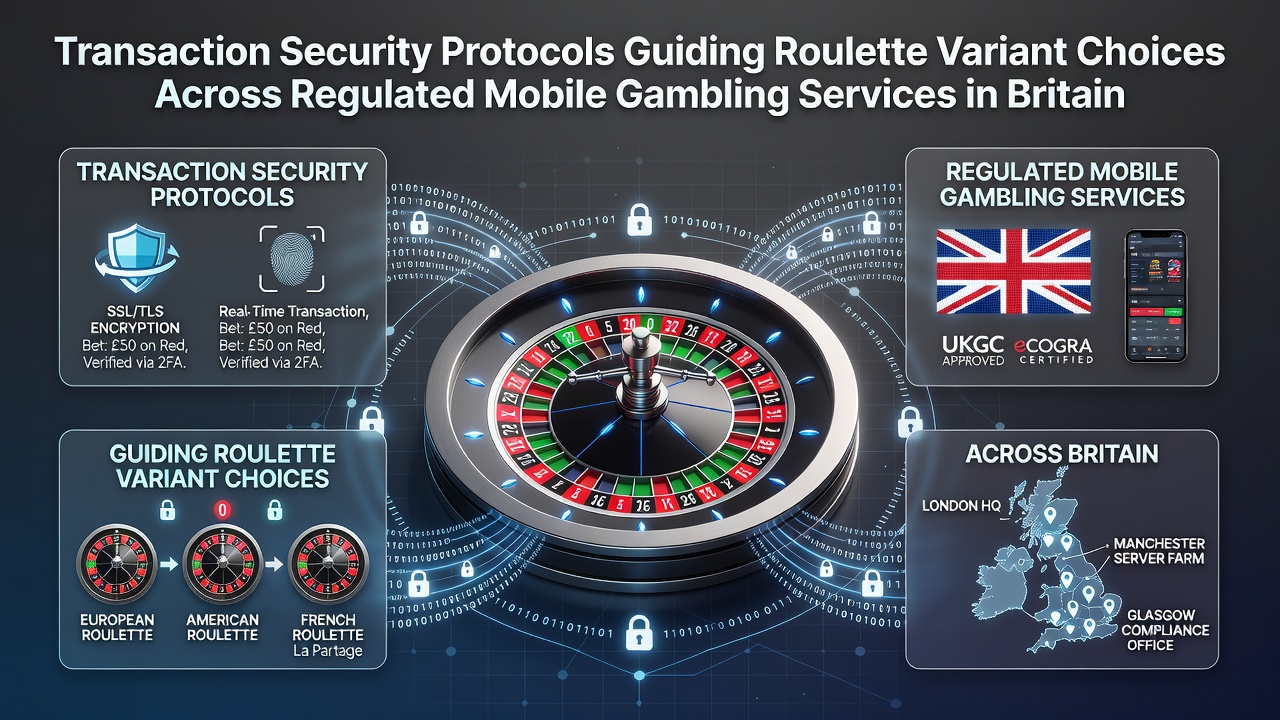
Transaction security protocols establish the framework that directs roulette variant selections across regulated mobile gambling services in Britain, where players encounter European, American, and French roulette options through authenticated payment channels that verify each transfer before gameplay proceeds. These protocols incorporate tokenization methods that replace sensitive card details with unique identifiers, allowing platforms to process bets without exposing full financial data during sessions that might last several hours or span multiple variants in a single evening.
Core Security Components in Mobile Transactions
Biometric authentication layers combine with end-to-end encryption to confirm user identity at the point of deposit, which in turn influences the maximum stake limits available for different roulette formats. American roulette, featuring the double zero pocket that alters house edge calculations, often appears alongside European variants once transaction verification completes successfully, yet protocols require additional confirmation steps for higher-risk wagers that exceed predefined thresholds. Observers note that French roulette, distinguished by its La Partage rule reducing certain bet losses, integrates into mobile interfaces only after security checks clear funds from verified sources such as bank transfers or digital wallets.
Data from industry reports indicates that token-based systems reduce fraud incidents by substantial margins, enabling operators to offer broader variant selections without compromising account integrity. Those who monitor transaction flows report that multi-factor verification processes, including one-time passcodes sent to registered devices, typically complete within seconds, after which roulette tables load with real-time balance updates reflecting the secured amounts.
Regulatory Context and August 2026 Developments
By August 2026, updates to digital payment directives across European jurisdictions are expected to standardize certain authentication requirements for gambling platforms, prompting British operators to align their mobile applications accordingly. These changes emphasize secure element storage within device hardware, which supports seamless transitions between roulette variants while maintaining audit trails for every transaction. Research from academic institutions such as the University of Melbourne's gambling studies unit highlights how such alignments affect player navigation patterns, with users gravitating toward variants that match their verified account tiers.
Impact on Variant Preferences
Secure protocols guide choices because they enforce spending caps tied to verified identities, and American roulette with its 5.26 percent house edge may attract players only after initial smaller bets on European tables confirm transaction stability. People often find that French roulette appears as a premium option once protocols establish ongoing session encryption, since the rule set demands precise payout calculations that rely on uninterrupted data streams. Take one case where experts at a Canadian research institute tracked mobile sessions and discovered that platforms using advanced encryption allowed quicker switches between variants compared to those relying on basic verification alone.
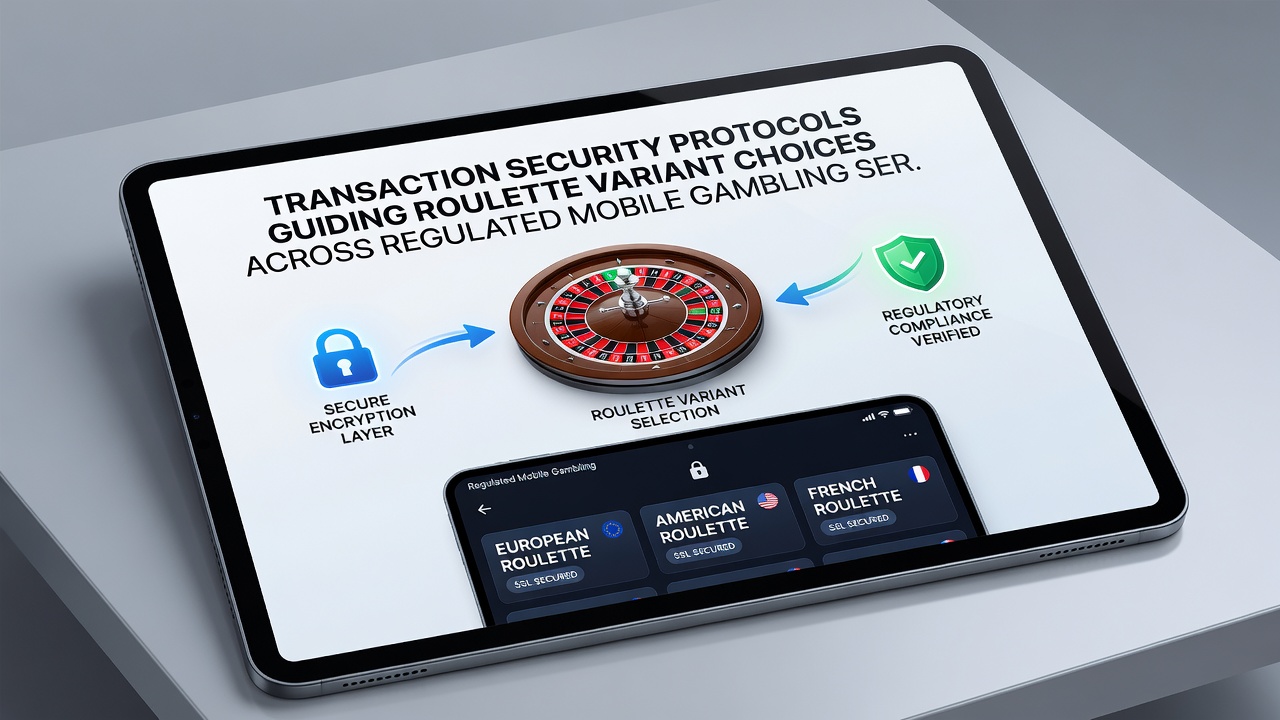
Payment gateways certified under international standards facilitate these transitions by logging each roulette bet as a distinct event, which helps regulators review patterns without accessing personal banking details. According to figures from the European Gaming and Betting Association, transaction success rates exceed 98 percent on platforms that implement layered security, correlating with increased engagement across all three main roulette variants.
Technical Integration and Player Pathways
Wallet integration services connect directly to security protocols, displaying available roulette options only after initial authentication succeeds and funds settle. This setup means players encounter European roulette first in many instances because its single-zero layout aligns with lower initial verification requirements, whereas American and French versions unlock progressively as cumulative transaction history builds. Observers note that August 2026 timelines may introduce mandatory real-time fraud detection modules that scan for anomalies during active play, potentially pausing variant switches until clearance occurs.
Studies from Australian regulatory bodies on digital finance security reveal that such pauses remain brief, often under thirty seconds, and maintain user trust by preventing unauthorized access across mobile networks. Those who've examined platform logs find that roulette selections stabilize once protocols confirm device integrity through hardware-backed checks, reducing instances of interrupted sessions that previously affected multi-variant exploration.
Conclusion
Transaction security protocols continue to direct roulette variant choices by establishing verified pathways that prioritize European tables initially before expanding to American and French formats based on account validation levels. As August 2026 approaches, alignment with broader European payment standards promises further refinements to these systems, supporting consistent access across Britain's regulated mobile services while preserving transaction integrity through established encryption and authentication measures. Data shows these frameworks sustain player engagement by matching security tiers to variant complexity without introducing unnecessary barriers.