Payment Approvals and Their Role in Modifying Blackjack Approaches on Regulated UK Platforms
Written by Parker Butler · Nov 20, 2026
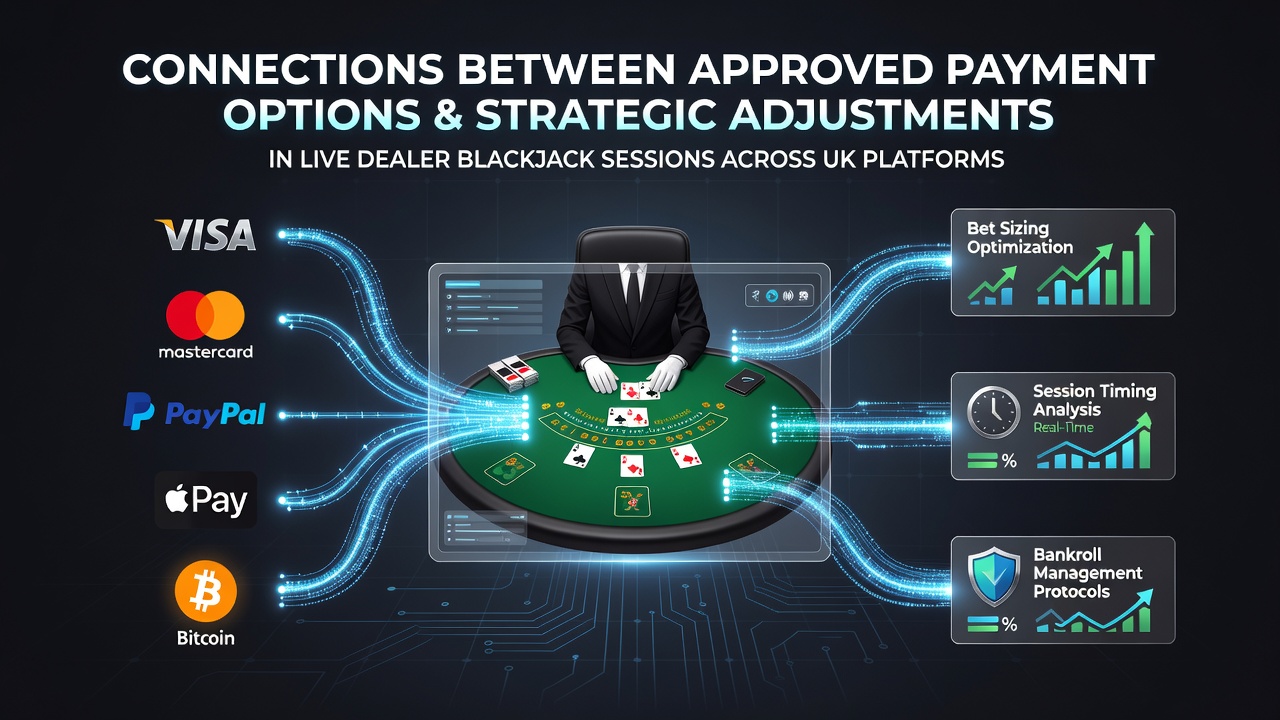
Payment Approvals and Their Role in Modifying Blackjack Approaches on Regulated UK Platforms
Approved payment methods create direct pathways that influence how participants manage funds during live dealer blackjack sessions on British platforms, and these connections appear through transaction speeds, fee structures, and verification requirements that shape betting patterns over extended play periods. Data from industry reports shows participants often adjust bet sizing and session duration based on the funding tools they select at the outset, since certain options impose limits or delays that affect available capital mid-round.
Core Payment Categories and Their Operational Features
Debit and credit cards remain the most widely sanctioned options across licensed sites, yet they come with processing times that range from instant deposits to multi-day withdrawals, and observers note these timelines prompt players to plan withdrawal strategies in advance rather than during active hands. E-wallets such as Skrill and Neteller provide faster settlement in many cases, which allows quicker reallocation of winnings back into play, whereas bank transfers typically enforce stricter daily caps that force participants to recalibrate their risk exposure when balances approach those thresholds. Research indicates these distinctions matter most during peak hours when live tables move rapidly, because delays in one method can interrupt the flow of doubling down or splitting pairs at critical moments.
Adjustments in Bankroll Allocation and Session Planning
Those who study player behavior report that individuals using slower-verified options tend to adopt more conservative initial bets to preserve capital while awaiting confirmation, and this pattern holds especially true when platforms require additional identity checks that extend beyond standard approval windows. In contrast, users of instant e-wallet services frequently maintain steadier bet progression throughout a session, since immediate access to reloaded balances reduces the need for mid-game pauses. Figures from November 2026 highlight a measurable uptick in shorter session lengths among card users compared with e-wallet participants, suggesting the payment infrastructure itself guides decisions on when to exit tables rather than purely game outcomes.
Live dealer environments add another layer because real-time interaction leaves little room for payment-related interruptions, so players often pre-select methods that align with expected session length to avoid abrupt halts. Experts have observed that higher-fee options sometimes correlate with larger average bets per hand, as participants seek to offset those costs through elevated stakes, while low-fee alternatives support more measured, percentage-based approaches that mirror traditional card-counting adjustments adapted for digital settings.
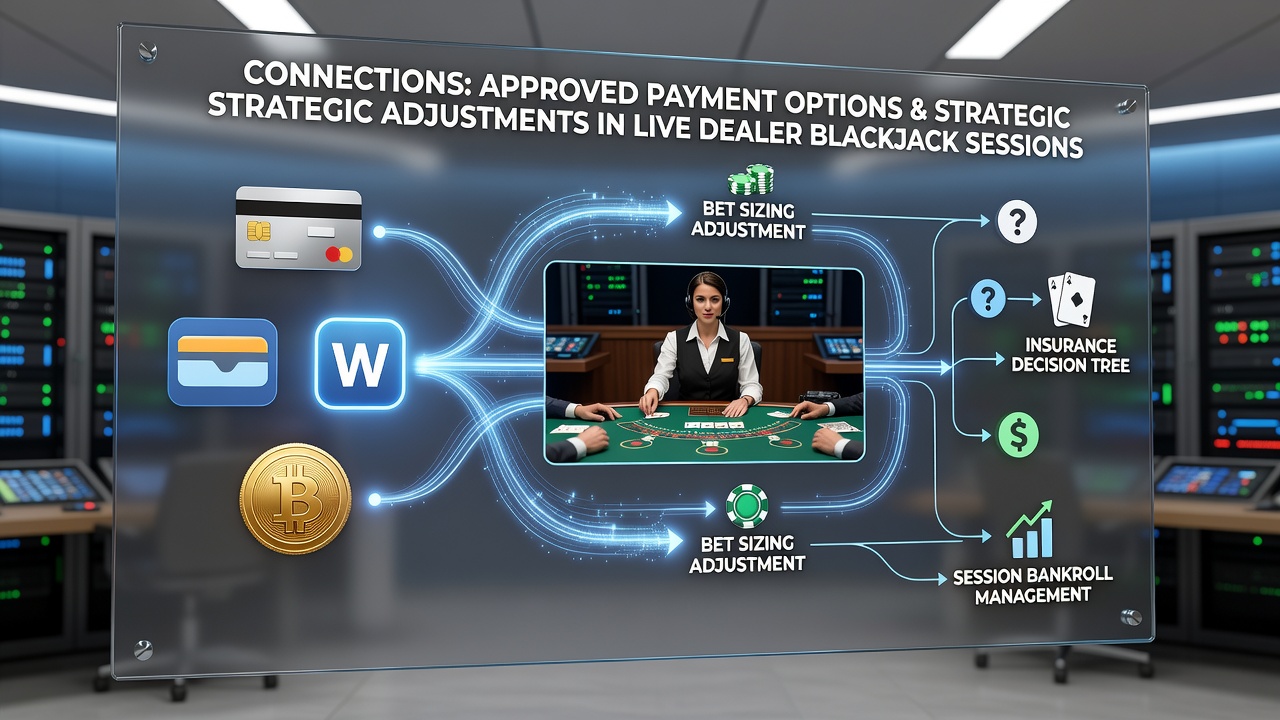
Evidence from Broader Market Data
According to findings published by the European Gaming and Betting Association, variations in payout velocity across payment rails directly affect how often participants revisit live blackjack tables within the same day, and this metric proves particularly relevant when regulatory updates alter verification protocols. A separate analysis from the Responsible Gambling Council in Canada points to similar trends where transaction friction leads to modified staking behavior, although the British context incorporates additional licensing constraints that standardize minimum approval standards. These cross-regional patterns suggest the link between funding mechanisms and tactical choices extends beyond single jurisdictions, yet remains most pronounced where real-time dealer formats demand uninterrupted capital access.
Practical Examples Observed Across Platforms
Take one documented case where participants relying on bank transfers reduced their average wager size by noticeable margins after initial deposits cleared, because withdrawal timelines encouraged conservative play to build reserves ahead of any payout request. Another instance revealed e-wallet users experimenting with aggressive splitting strategies more frequently, since rapid fund movement allowed recovery from variance without waiting periods that might otherwise prompt table exits. Observers note these adjustments occur consistently enough that platform operators have begun highlighting compatible payment pairings during account setup to streamline the experience for those focused on extended live sessions.
Conclusion
The documented connections between sanctioned payment options and strategic modifications in live dealer blackjack rest on measurable factors such as processing speed, fee impact, and verification duration, all of which guide how participants allocate resources across British platforms. Data continues to accumulate around these dynamics, particularly as new tools enter the approved list and older methods undergo updates that shift their operational footprints. Those tracking industry trends recognize that payment infrastructure functions as an embedded variable in gameplay decisions rather than an external factor, and this integration shapes session architecture in ways that persist across regulatory cycles.