Payment Verification Systems Influencing Blackjack Strategies on UK-Regulated Mobile Platforms
Written by Jonas Schmid · Aug 25, 2026
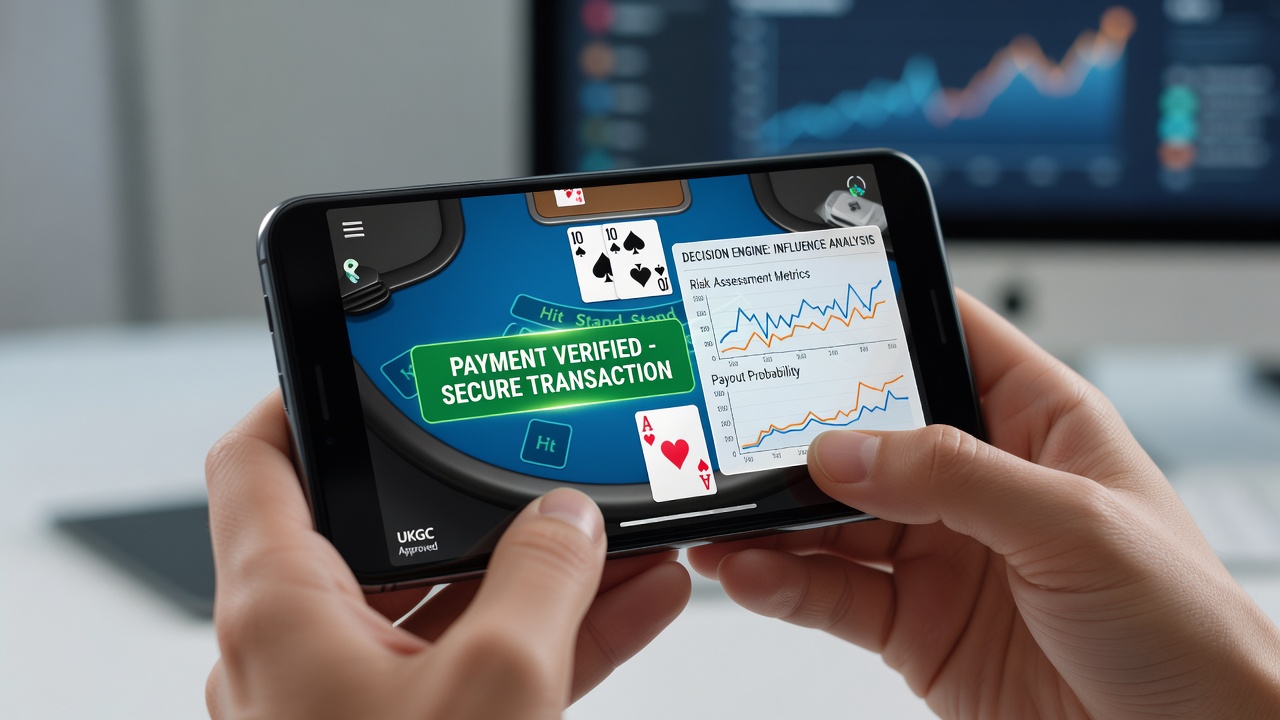
Payment Verification Systems Influencing Blackjack Strategies on UK-Regulated Mobile Platforms
Payment verification systems form a core component of security protocols on UK-regulated mobile platforms where blackjack remains a popular choice among players and these systems integrate identity confirmation steps with transaction processing that directly shapes how participants approach their decisions during rounds. Research indicates that verification often involves multi-factor authentication combined with real-time bank checks which can extend the interval between deposit initiation and fund availability and this timing element forces players to adjust their betting sequences especially when considering splits or doubles in live dealer environments.
Core Mechanics of Verification in Mobile Blackjack Contexts
Systems require users to complete identity validation through document uploads and facial recognition before larger transactions clear and data from industry reports shows these steps reduce fraud incidents by measurable margins while simultaneously creating brief pauses that influence strategic timing. Observers note that blackjack relies on rapid choices where the state of one's bankroll determines whether to hit or stand and any lag in verification can prompt more conservative approaches during those windows. Figures released in August 2026 reveal increased adoption of instant verification tools across platforms yet traditional methods still dominate certain operator networks leading to varied player experiences depending on the chosen app.
Those who've studied transaction flows point out that verification not only secures funds but also flags patterns that might trigger additional reviews mid-session and this process affects decision-making because players sometimes pause their strategy to confirm account status before committing to higher-stakes hands. And the result shows up in how participants manage their session length since prolonged checks can shift focus away from card counting simulations or basic strategy adherence toward simpler play patterns that minimize exposure during uncertainty.
Impact on Real-Time Betting and Risk Assessment
Blackjack decision trees expand or contract based on available capital and payment verification introduces variables that alter these calculations particularly when bonuses tie directly to verified deposits. Studies found that players facing verification delays often reduce bet sizes temporarily while waiting for clearance and this behavioral adjustment stems from the need to maintain liquidity across multiple hands without risking unconfirmed amounts. What's interesting is how these systems link to responsible gaming features that cap transaction volumes until full authentication completes and such limits encourage measured play rather than aggressive doubling down sequences.

One study revealed connections between verification speed and player retention rates where faster approvals correlated with sustained engagement in strategic elements like tracking dealer upcards. Yet slower processes sometimes lead to session abandonment before key decisions arise and this pattern appears consistently across datasets collected from regulated environments. Experts have observed that integration with digital wallets streamlines parts of the process but still requires periodic re-verification for compliance and these checkpoints can interrupt flow during extended blackjack sessions.
Regulatory Frameworks and Platform Adaptations
Platforms adapt verification layers to meet standards set by various oversight bodies and this compliance shapes the tools available for players managing their blackjack bankrolls. According to findings published by the National Center for Responsible Gaming verification protocols help enforce spending thresholds that indirectly guide choices toward lower-risk actions when accounts approach those markers. A separate analysis from the University of Sydney's gambling research unit highlights how mobile interfaces display verification status prominently allowing users to anticipate delays and plan their next hands accordingly.
Payment authentication also ties into bonus eligibility where verified deposits unlock wagering contributions and this linkage influences whether players pursue insurance bets or stick to standard strategy in uncertain situations. Data shows that clear status indicators within apps help mitigate frustration while incomplete verifications prompt shifts to practice modes or lower table limits until full access resumes.
Future Developments and Player Adaptations
As verification technology advances with biometric enhancements and AI-driven checks the influence on blackjack decision-making continues to evolve through quicker clearances and reduced friction points. Platforms in August 2026 began rolling out predictive verification that pre-approves recurring users based on prior patterns and this development allows more seamless transitions between deposit and active play. Researchers discovered that such improvements correlate with higher adherence to optimal strategies because players spend less mental energy on transaction logistics and more on in-game analysis.
Those monitoring industry trends note ongoing refinements that balance security demands with gameplay continuity and these adjustments affect how mobile blackjack maintains its appeal within regulated spaces.
Conclusion
Payment verification systems continue to intersect with blackjack mechanics on UK-regulated mobile platforms through their effects on timing, risk thresholds, and bonus access and these intersections produce measurable shifts in how participants navigate each hand. Evidence from multiple studies underscores the role of verification speed in supporting or hindering strategic consistency while platform adaptations reflect broader efforts to align security with user experience. Observers expect further integration of advanced tools that minimize disruptions and sustain engagement across sessions.